


Cleaning an area before applying vet self - adherent tape is a crucial step that ensures the tape adheres properly and provides the best possible care for the animal. As a supplier of Vet Self - adherent Tape, I understand the importance of this process and want to share some detailed guidelines on how to clean an area effectively.
Why Clean the Area?
Before delving into the cleaning process, it's essential to understand why cleaning is necessary. When applying vet self - adherent tape, a clean surface is vital for several reasons. First, dirt, debris, and oils on the animal's skin can prevent the tape from adhering firmly. This can lead to the tape slipping off prematurely, which may compromise the effectiveness of the bandage. Second, a clean area reduces the risk of infection. If the skin is not clean, bacteria and other pathogens can get trapped under the tape, causing skin irritation or more serious infections.
Step - by - Step Cleaning Process
Step 1: Gather the Necessary Supplies
Before you start cleaning, gather all the supplies you'll need. These typically include mild soap, warm water, clean towels, and if necessary, a pair of clean gloves. Mild soap is recommended because it is gentle on the animal's skin and won't cause irritation.
Step 2: Restrain the Animal
It's important to ensure the animal is properly restrained during the cleaning process. This not only protects you from potential bites or scratches but also ensures that the animal remains still, allowing you to clean the area thoroughly. You can use a gentle restraint method, such as a soft muzzle for dogs or a towel wrap for cats.
Step 3: Remove Loose Debris
Start by removing any loose debris, such as dirt, hair, or scabs, from the area. You can use a pair of tweezers or a clean, dry cloth to gently pick off the debris. Be careful not to pull on the animal's skin too hard, as this can cause pain and discomfort.
Step 4: Prepare the Cleaning Solution
Fill a bowl with warm water and add a small amount of mild soap. Mix the solution well until it forms a soapy mixture. The water should be warm, not hot, to avoid burning the animal's skin.
Step 5: Clean the Area
Dip a clean towel or a soft cloth into the soapy water and gently wipe the area to be taped. Use a circular motion to clean the skin thoroughly, making sure to cover all the areas where the tape will be applied. Pay special attention to any creases or folds in the skin, as these areas can trap dirt and bacteria.

Step 6: Rinse the Area
After cleaning the area with the soapy water, rinse it thoroughly with clean, warm water. This helps to remove any soap residue from the skin. You can use a clean towel to gently pat the area dry. Make sure the area is completely dry before applying the vet self - adherent tape, as moisture can prevent the tape from adhering properly.
Step 7: Inspect the Area
Once the area is dry, inspect it carefully for any signs of cuts, abrasions, or skin infections. If you notice any issues, it's important to consult a veterinarian before applying the tape. In some cases, the veterinarian may recommend treating the skin condition before proceeding with the bandaging.
Special Considerations
- Fur: If the animal has long fur, you may need to trim the fur around the area to be taped. This helps the tape adhere better and also allows for better visibility of the skin. Use a pair of sharp scissors or clippers to trim the fur carefully, being careful not to cut the animal's skin.
- Sensitive Skin: Some animals have sensitive skin, which may require special care. In such cases, you can use a hypoallergenic soap or a skin - friendly cleaning solution. You may also want to consult a veterinarian for specific recommendations on how to clean the area.
Our Vet Self - adherent Tape Products
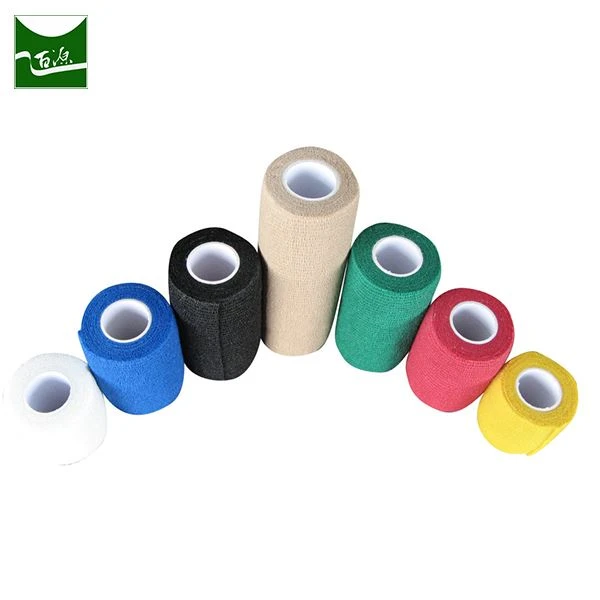
As a supplier of Vet Self - adherent Tape, we offer a range of high - quality products that are designed to provide excellent adhesion and comfort for animals. Our Non - woven Self - adhesive Elastic Bandage is made from a non - woven material that is both stretchy and breathable. It conforms well to the animal's body, providing a secure and comfortable fit.
Our Pet Flex Wrap is another popular product. It is flexible and easy to apply, making it suitable for a variety of applications. Whether you need to bandage a small wound or provide support for a joint, our Pet Flex Wrap can meet your needs.
In addition, our Non - woven Self - adhesive Tape is a versatile option that can be used for different types of bandaging. It adheres well to the skin and is easy to tear, making it convenient to use.
Conclusion
Cleaning an area before applying vet self - adherent tape is a simple yet important step in ensuring the effectiveness of the bandage and the well - being of the animal. By following the steps outlined above, you can ensure that the area is clean and ready for the tape. If you have any questions or need more information about our Vet Self - adherent Tape products, please feel free to contact us for procurement and further discussions. We are committed to providing high - quality products and excellent customer service to meet your needs.
References
- Veterinary Nursing Textbooks: General knowledge on animal care and bandaging techniques.
- Professional Veterinary Journals: Articles on best practices for wound care and bandaging in animals.