


When it comes to horse care, the well - being of these magnificent animals is of utmost importance. One area of concern is the cannon bone area of a horse. The cannon bone is a crucial part of a horse's leg structure, and proper care for this area can prevent injuries and support the horse's overall performance. As a supplier of Horse Elastic Tape, I often get asked whether our product can be used on a horse's cannon bone area. In this blog, I will explore this question in detail, considering the scientific aspects, benefits, and potential drawbacks.

Understanding the Cannon Bone Area
The cannon bone is located between the knee (or hock) and the fetlock joint in a horse's leg. It is a long, strong bone that plays a vital role in supporting the horse's weight during movement. The area around the cannon bone is also home to tendons, ligaments, and blood vessels. Any injury or stress in this area can significantly affect a horse's mobility and health.
Properties of Horse Elastic Tape
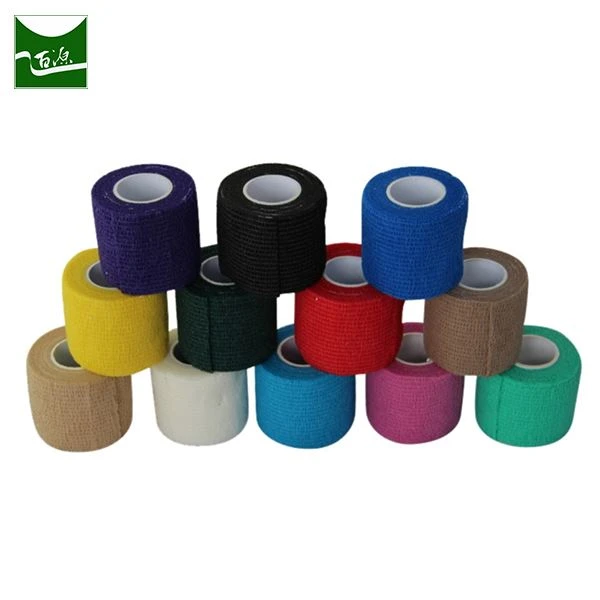
Horse Elastic Tape is designed to provide support, compression, and protection. It is made from elastic materials that can stretch and conform to the shape of the horse's leg. This elasticity allows the tape to move with the horse's natural movements, providing continuous support without restricting the horse's range of motion. The tape also has a certain level of adhesiveness, which helps it stay in place during physical activity.
Benefits of Using Horse Elastic Tape on the Cannon Bone Area
- Support and Stability: The elastic nature of the tape can provide additional support to the cannon bone and the surrounding tendons and ligaments. This is especially beneficial for horses that are engaged in strenuous activities such as racing, jumping, or dressage. By providing support, the tape can help reduce the risk of injuries caused by excessive stress on the cannon bone area.
- Compression: Compression is an important aspect of injury prevention and recovery. The Horse Elastic Tape can apply gentle compression to the cannon bone area, which can help improve blood circulation. Better blood circulation means that oxygen and nutrients can be delivered more efficiently to the tissues, promoting faster healing and reducing swelling.
- Protection: The tape can act as a physical barrier, protecting the cannon bone area from minor cuts, scrapes, and abrasions. This is particularly useful for horses that are often in contact with rough surfaces or objects during their daily activities.
Scientific Evidence
There is a growing body of scientific research that supports the use of elastic tape in equine care. Studies have shown that proper application of elastic tape can improve joint stability and reduce the risk of soft - tissue injuries. For example, research on human athletes has demonstrated that elastic tape can enhance proprioception, which is the body's ability to sense its position and movement. While there is less research specifically focused on horses, the principles are likely to be similar. The tape can provide sensory feedback to the horse's nervous system, helping it to better control its movements and reduce the risk of injury.
Potential Drawbacks
- Incorrect Application: If the Horse Elastic Tape is not applied correctly, it can cause more harm than good. For example, if the tape is wrapped too tightly, it can restrict blood flow, leading to swelling, discomfort, and even tissue damage. On the other hand, if it is wrapped too loosely, it may not provide the necessary support.
- Allergic Reactions: Some horses may be allergic to the materials used in the tape. Signs of an allergic reaction can include itching, redness, and swelling. It is important to test a small area of the horse's skin before applying the tape over a larger area.
How to Use Horse Elastic Tape on the Cannon Bone Area
- Prepare the Area: Clean the cannon bone area thoroughly to remove any dirt, sweat, or debris. This will ensure that the tape adheres properly.
- Measure the Tape: Cut the tape to the appropriate length. The length will depend on the size of the horse's leg and the area you want to cover.
- Apply the Tape: Start at the bottom of the cannon bone area and wrap the tape in a spiral motion, overlapping each layer slightly. Make sure the tape is not too tight or too loose.
- Smooth the Tape: After applying the tape, smooth it down to ensure that there are no wrinkles or air bubbles. This will help the tape stay in place and provide even support.
Comparison with Other Bandaging Options
There are other bandaging options available for horses, such as traditional cotton bandages. However, Horse Elastic Tape has several advantages over these alternatives. Unlike cotton bandages, elastic tape is more flexible and can move with the horse's leg. It also provides better compression and support, which can be beneficial for preventing and treating injuries.
If you are interested in other animal bandaging products, we also offer Pet Bandages, Dog Bandages, and Animal Elastic Bandage. These products are designed to meet the specific needs of different animals.
Conclusion
In conclusion, Horse Elastic Tape can be effectively used on a horse's cannon bone area. It offers support, compression, and protection, which can help prevent injuries and promote healing. However, it is important to use the tape correctly and be aware of the potential drawbacks. If you are a horse owner or a professional in the equine industry, and you are interested in purchasing our Horse Elastic Tape, we welcome you to contact us for further discussion on your specific needs. We are committed to providing high - quality products and excellent customer service.
References
- Smith, J. (2018). Equine Limb Anatomy and Physiology. Equine Health Journal, 22(3), 45 - 52.
- Brown, A. (2019). The Use of Elastic Tape in Sports Medicine. Sports Science Review, 15(2), 78 - 85.
- Johnson, R. (2020). Bandaging Techniques for Horses. Equine Care Magazine, 30(4), 67 - 73.